
Cedar Deck Builder in Huntsville, AL:
Natural Wood Decks & Cedar Surfaces
Cedar Deck Builder in Huntsville, AL:
Natural Wood Decks & Cedar Surfaces
Get a FREE Quote
Huntsville Deck Builders helps homeowners plan cedar decks in Huntsville, Alabama, for a natural wood surface with visible grain and a finish that can be renewed. A cedar deck is a complete construction project, not simply a choice of board color. The supporting structure, board grade, fastening, stairs, and perimeter details all need to suit the intended design.
The scope may include a new deck with cedar surface boards or a cedar resurfacing project on framing that remains suitable to retain. Cedar decking should not be assumed to replace the specified structural lumber below it. Each component has its own purpose and material requirements.
Grade and board selection influence the amount of visible variation, while the chosen finish affects grain visibility and color. Wood will change with exposure, and the maintenance plan should reflect the appearance you want to preserve. Cleaning and finishing methods need to suit the cedar and selected coating.
Planning the stairs, railings, and edge treatment alongside the surface helps produce a consistent finished deck. Tell Huntsville Deck Builders about the proposed footprint or existing structure, the cedar appearance you prefer, and any layout changes. Use the free quote form to begin your cedar deck inquiry with the project location and approximate dimensions.
Plan for Natural Grain and a Renewable Finish
Cedar Deck Building Services
Cedar surface planning brings board selection, support, detailing, and future care into the same project scope.
Get a free quote for your deck project →
New Cedar Decks
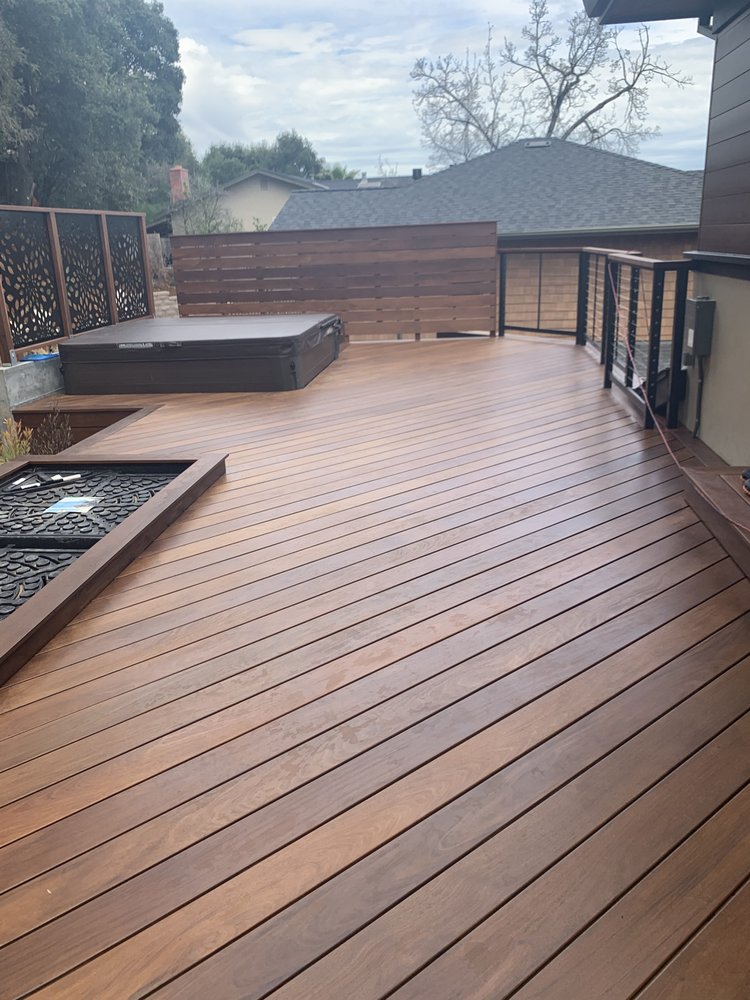
A new cedar deck pairs a suitable support structure with the selected cedar walking surface and finishing details. The footprint, elevation, stairs, and railing layout establish the construction scope before the surface boards are ordered. Cedar grade, width, and arrangement influence the visible character of the deck. The proposal should identify which components are cedar and which use other specified materials. That distinction makes the complete design easier to understand and avoids treating a cedar surface preference as a specification for every structural part of the project.
Cedar Deck Resurfacing
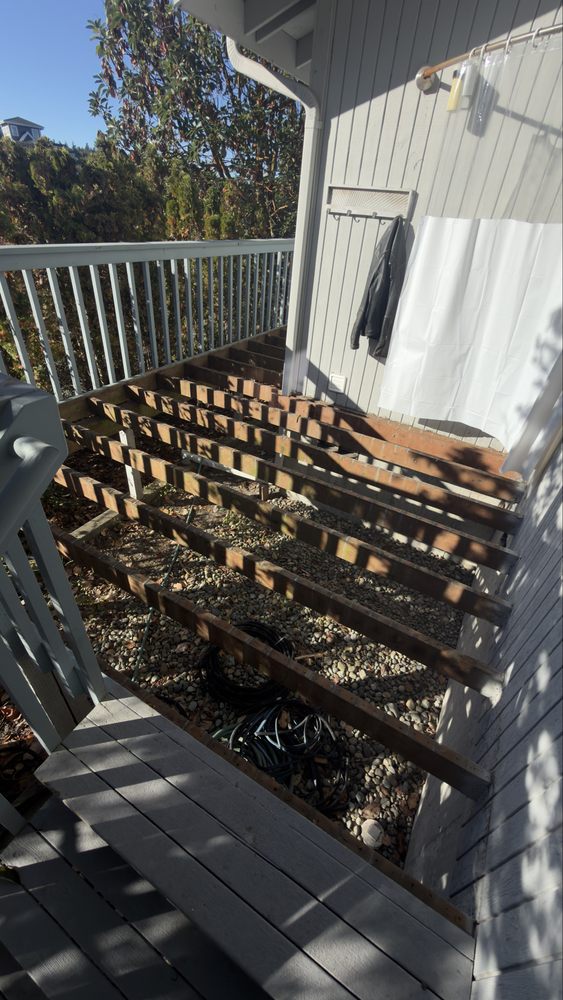
Cedar resurfacing replaces an existing walking surface while retaining only supports and connections suitable for the new boards. The old deck needs assessment for deterioration, fastening condition, layout, and compatible support before reuse is assumed. Board dimensions and intended finish should be selected alongside any required repairs. The scope should state what is removed and what stays. This separates a surface renewal from a complete rebuild and helps establish whether an older deck can support the cedar appearance you want without hiding unresolved conditions beneath it.
Cedar Stairs & Coordinated Wood Details
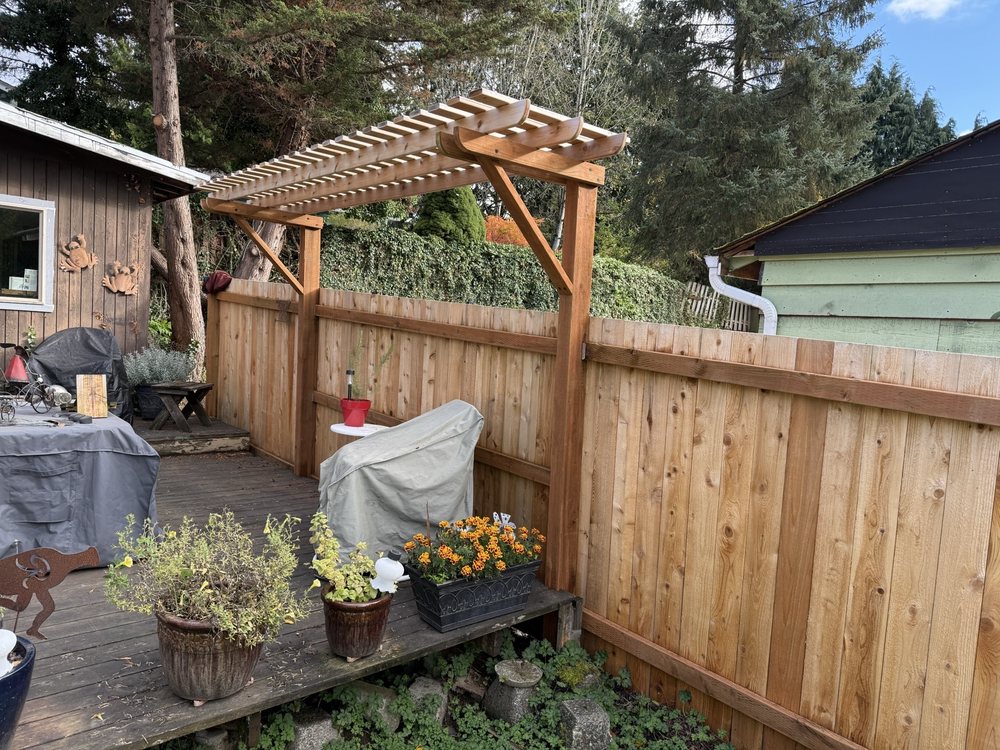
Cedar stair surfaces and coordinated trim can extend the material’s character through the deck’s access route and perimeter. Treads, risers, railing components, and visible edges have different functions and need suitable specifications. Their fastening, support, and finish should be planned with the main surface. A matching species does not eliminate the need to identify structural components separately. Including these details in the estimate also makes future maintenance clearer, since rails and sheltered areas can weather differently from the open deck floor over time.
Cedar Grade, Fasteners & Finish
The selected materials need to work together, from the supporting details to the visible finish.
Board Grade & Natural Variation
The specified cedar grade and board selection affect knots, grain, and overall appearance. Review the intended material rather than assume every cedar board looks alike. Natural variation is part of a wood deck.
Support & Compatible Fastening
Deck boards need suitable support and fasteners for the species, application, and surrounding materials. The framing system should be specified independently from the visible cedar surface.
Finish & Long-Term Appearance
A compatible finish can influence color and grain visibility. The preparation and maintenance requirements depend on the chosen product and desired appearance. Cedar should be cleaned and finished using methods appropriate for the wood.
Cedar Appearance & Ongoing Care
Resolve these project conditions before finalizing the scope and material quantities.
Preserving or Allowing Color Change
Natural wood changes with outdoor exposure. Decide whether maintaining a particular color is a priority, then select a finish and maintenance plan consistent with that goal.
New Boards on an Older Deck
New cedar can look different from retained weathered wood. Board selection and finishing may improve consistency, but an exact initial color match should not be assumed.
Cedar Compared with Manufactured Decking
Cedar provides natural grain and renewable finishes. Composite or PVC offers manufactured appearance and different care requirements. Compare complete installation and upkeep expectations alongside the initial material preference.
Cedar Deck Builder Process
The work sequence connects the initial assessment with a defined scope and finished project.
Site, Structure & Appearance Review
The initial discussion establishes new construction or resurfacing, the layout, existing conditions, and desired cedar appearance. The support structure and access influence the scope.
Cedar Selection & Written Estimate
The material plan identifies species, grade, dimensions, fastening, finish, and coordinated details. New or retained framing and any repair work are specified separately.
Framing & Cedar Installation
Suitable support is established before the cedar boards and related details are installed. The work should follow appropriate material guidance and the agreed layout, including stairs and perimeter connections.
Finish Readiness & Care Plan
The handoff explains the selected finish approach, wood readiness, cleaning, and future maintenance. Finishing may require a separate timing decision according to the coating and actual surface condition.
What a Cedar Deck Quote Should Name
A detailed proposal makes the scope, product choices, and completion expectations easier to compare.
The Actual Cedar Material
Species, grade, dimensions, and included cedar components should be clear. A cedar label alone does not define the board selection or complete structural scope.
Installation & Finishing Boundaries
The estimate should state whether stain, sealer, preparation, and return visits for finishing are included. Board installation and coating application may be separate stages.
Complete Stairs & Perimeter
Identify stairs, railings, fascia, and visible edge treatment. These details affect both the initial appearance and the area that needs future wood maintenance.
Cedar Deck Builder FAQs
Is the entire structure made from cedar?
Not necessarily. Cedar may be selected for the walking surface or other visible components while structural members use separately specified materials. The quote should identify each component’s material.
Can cedar replace my old deck boards?
It may be possible when the retained frame and connections are suitable. Existing conditions, board dimensions, and support requirements need assessment before the project is treated as resurfacing.
Does cedar need maintenance?
Yes. Cedar needs appropriate care, and maintaining a chosen finish requires ongoing attention. The cleaning and finishing plan should suit the material, product, and desired appearance.
Will cedar keep its original color?
Outdoor exposure changes natural wood. Preserving a particular color generally requires a suitable finish and maintenance plan. The expected appearance should be discussed before product selection.
Can cedar stairs and railings match the deck?
Coordinated cedar details can be included where suitable for the application. The scope should distinguish visible wood components from their structural supports and connections.
What affects cedar deck cost?
Board grade and dimensions, deck size and height, framing, access, stairs, rails, detailed edges, and finishing work affect the complete estimate. Compare the entire specified project rather than board price alone.
Request Your Cedar Deck Builder Quote
Tell Huntsville Deck Builders about your property, the work you need, and your preferred materials. Include approximate dimensions and the best way to reach you in the form above.