
Deck Restoration in Huntsville, AL:
Wood Repair & Finish Renewal
Get a FREE Quote
Huntsville Deck Builders helps homeowners plan deck restoration in Huntsville, Alabama, when an existing wood deck needs coordinated cleaning, selected repairs, and a renewed finish. Grey boards, worn coating, rough areas, and damaged pieces do not all call for the same treatment. Restoration brings those conditions into one plan while establishing whether the underlying structure is suitable to retain.
The work may involve cleaning, removing an unsuitable coating, preparing weathered wood, replacing damaged boards, and applying a compatible stain or sealer. Railings, stairs, and exposed edges can need a different level of preparation from the main walking surface.
The existing species, coating, and extent of deterioration influence the restoration method. A sound weathered board may be prepared for refinishing, while decayed wood requires a repair decision. New material can differ in color from older boards even after finishing.
A useful restoration plan also addresses the conditions that allowed deterioration to develop, including debris accumulation and areas that stay damp. The aim is a serviceable deck with a coherent finish and realistic maintenance expectations. Tell Huntsville Deck Builders about the current surface, previous coatings if known, damaged areas, and the appearance you want. Use the free quote form to start your restoration inquiry.
Restore a Weathered Deck with a Defined Scope
Deck Restoration Services
Restoration combines the tasks an existing deck actually needs. It can be a wider project than staining, without automatically becoming a complete structural rebuild.
Get a free quote for your deck project →
Weathered Wood Restoration
Weathered wood restoration begins by separating surface ageing from material that is no longer suitable to retain. Cleaning and preparation can remove accumulated dirt and prepare usable boards for a renewed finish. Rough grain, previous coatings, and shaded areas may require different treatment across the same deck. The preparation method must suit the wood and coating rather than relying on aggressive washing alone. The finished scope should explain which surfaces will be restored, what appearance is realistic, and how the deck should be maintained afterward.
Repairs Within a Restoration Project
Selected repairs replace damaged pieces as part of a wider restoration scope. The affected boards, stairs, railings, and supporting connections need assessment before cleaning and coating work begins. Finishing over decay does not restore a component’s strength, and new boards need suitable support and compatible fasteners. The estimate should distinguish the repair allowance from surface preparation and staining. That separation helps explain how additional deterioration discovered during the work would affect the project instead of leaving all repairs inside an undefined restoration price.
Stairs, Railings & Complete Finish Renewal
Restoring stairs and railings brings high-contact details into the same plan as the deck floor. Handrails, balusters, post faces, tread edges, and sheltered areas can weather differently and take more preparation than an open flat surface. Their condition and coating history determine whether cleaning, stripping, sanding, or replacement is appropriate. Including these parts in the scope prevents a renewed floor from being surrounded by unfinished details. Color and opacity choices should account for both the old wood and any replacement material used in the project.
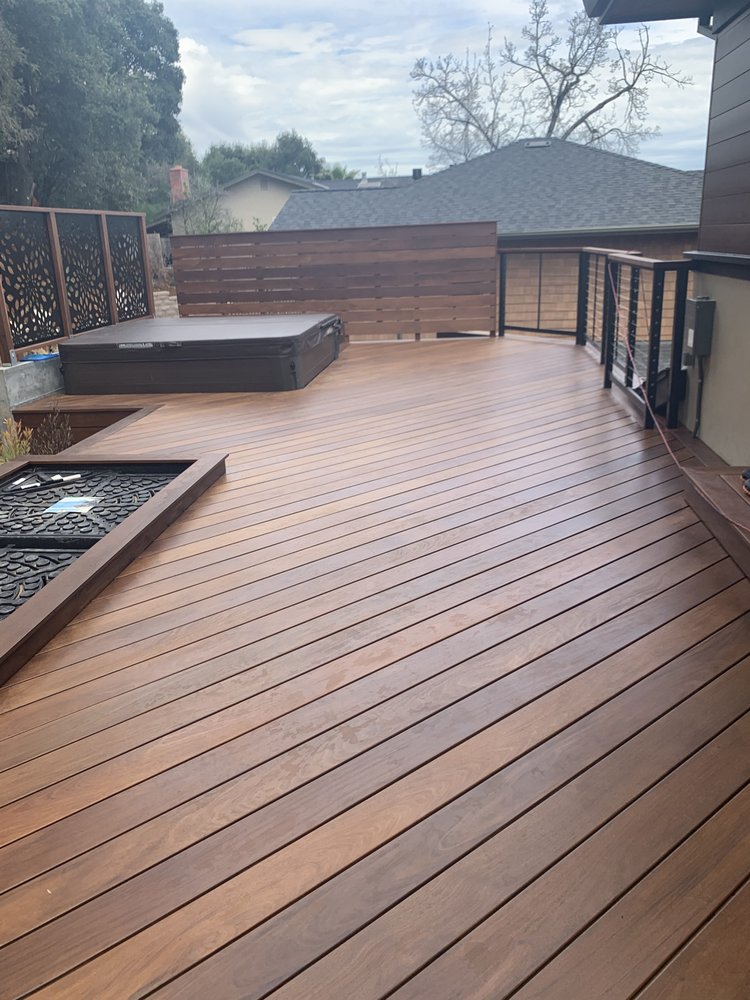
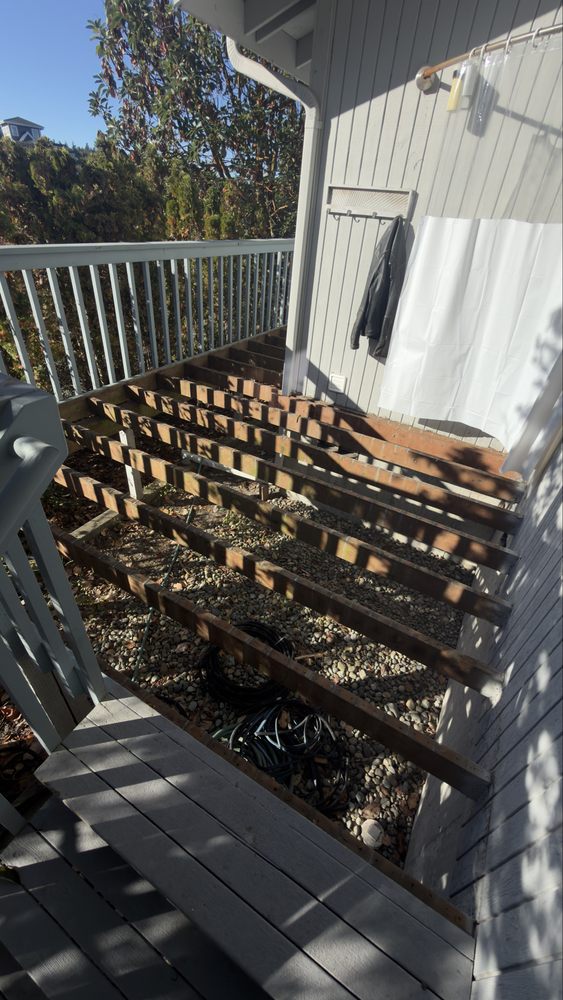
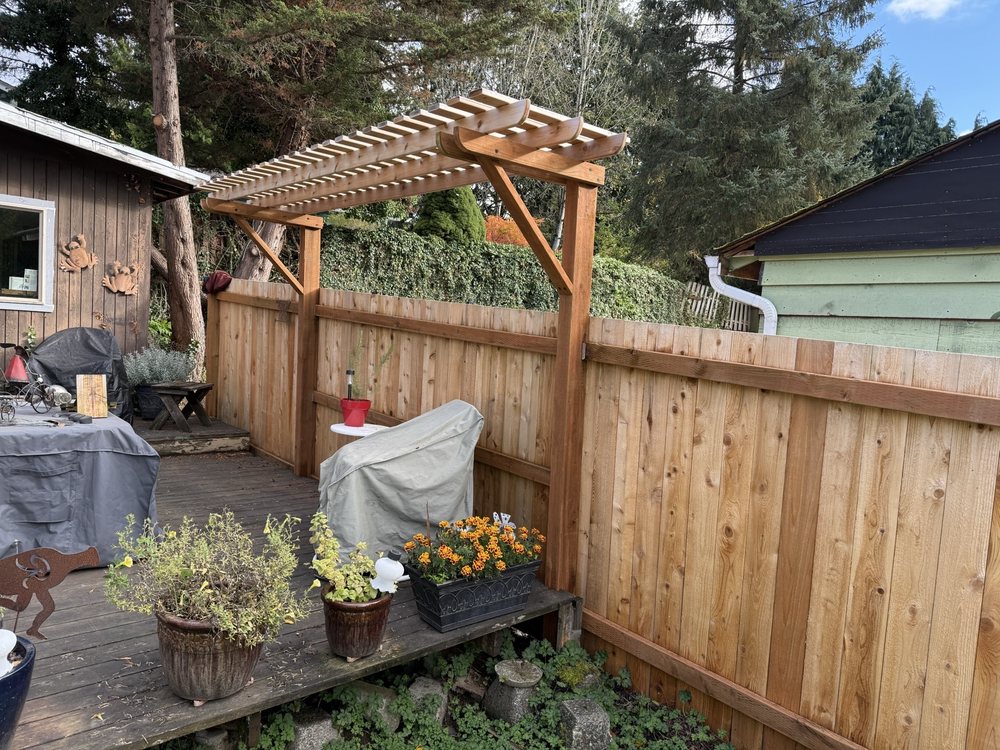
Restoration Methods & Finish Choices
The selected materials need to work together, from the supporting details to the visible finish.
Cleaning That Suits the Wood
Cleaning should remove contamination without unnecessarily damaging the wood surface. The method depends on the species, existing coating, and product instructions. Nearby planting, siding, and other finishes also affect preparation.
Selective Wood Replacement
Replacement pieces must suit their structural or surface purpose. New boards may absorb finish differently from older wood. The restoration plan should explain preparation timing and the expected appearance where new and retained materials meet.
Stain, Sealer & Existing Coatings
The new finish must be compatible with the prepared surface. A change in coating type or opacity may require more removal than a maintenance recoat. Identify the existing product where possible before specifying the next finish.
Is Your Deck a Restoration Candidate?
Resolve these project conditions before finalizing the scope and material quantities.
A Retainable Supporting Structure
Restoration depends on having a deck worth retaining. Framing, connections, and stair support need review where their condition is uncertain. Surface renewal cannot resolve deterioration in the supporting structure.
A Surface That Can Be Prepared
Existing paint, stain buildup, and damaged grain affect preparation. Some surfaces can be cleaned and recoated; others require substantial removal. A small test area can help establish a realistic finish approach.
A Useful Existing Layout
Restoration generally retains the current footprint and circulation. If the stairs, deck size, or height no longer work, a design or replacement project may address the problem more directly than renewing the finish.
Deck Restoration Process
The work sequence connects the initial assessment with a defined scope and finished project.
Condition & Coating Review
The initial review covers the wood, coating history, visible damage, and condition of the connected deck components. It establishes what can be restored and what needs separate repair.
Restoration Scope & Finish Selection
The proposal identifies preparation methods, repair items, treated surfaces, finish product, and appearance expectations. It should distinguish the deck floor from stairs, rails, and other detailed areas.
Repairs & Surface Preparation
Required repairs come before the final finish. Cleaning, coating removal, and sanding are coordinated with the selected product’s preparation and drying requirements rather than squeezed into an assumed single-day sequence.
Finishing & Care Handover
The prepared surfaces receive the specified finish under suitable conditions. The completion information should explain drying or curing restrictions, furniture replacement timing, and future cleaning and recoating needs.
What a Restoration Estimate Should Explain
A detailed proposal makes the scope, product choices, and completion expectations easier to compare.
Preparation Depth
Cleaning, stripping, sanding, and repairs are different tasks. The estimate should name the work needed for your current coating and wood condition.
Included Surfaces
Deck floor area alone does not describe the labor in stairs, rails, posts, and detailed edges. Identify which surfaces are included in the restoration.
Appearance & Maintenance
Weathered wood and new replacement boards may finish differently. A useful proposal sets realistic color expectations and identifies future maintenance for the selected coating.
Deck Restoration FAQs
Is restoration the same as deck replacement?
No. Restoration retains suitable existing components and renews their condition or finish. Replacement removes and rebuilds more of the deck, particularly when the structure or layout needs substantial change.
Can a grey wood deck be restored?
Weathered grey wood may be a restoration candidate if it remains suitable to retain. The surface and supporting structure need assessment before selecting cleaning, preparation, and finishing methods.
Does restoration include rotten board replacement?
It can include selected board repairs when they are specified in the scope. Decayed wood should be assessed and addressed before finishing rather than concealed beneath a coating.
How is restoration different from refinishing?
Refinishing focuses on preparing and renewing the finish. Restoration can combine that work with cleaning and selected repairs across a weathered deck. The written scope should define exactly what is included.
What affects restoration cost?
Preparation depth, coating removal, deck dimensions, railing detail, stair work, repairs, access, and the chosen finish affect the estimate. A floor-area-only price may omit substantial work.
Can restoration change the deck color?
A color change may be possible, depending on the existing coating, wood condition, preparation, and new product. Moving to a more transparent appearance can require more removal than applying a compatible maintenance coat.
Request Your Deck Restoration Quote
Tell Huntsville Deck Builders about your property, the work you need, and your preferred materials. Include approximate dimensions and the best way to reach you in the form above.