
Wood Decking in Huntsville, AL:
Pressure-Treated, Cedar & Hardwood
Get a FREE Quote
Huntsville Deck Builders helps homeowners plan wood decking in Huntsville, Alabama, from a new pressure-treated deck to cedar or hardwood surfaces with a specific grain and finish. Wood selection brings together appearance, board quality, installation details, and ongoing care. The species alone does not define the whole project or every component in the structure beneath it.
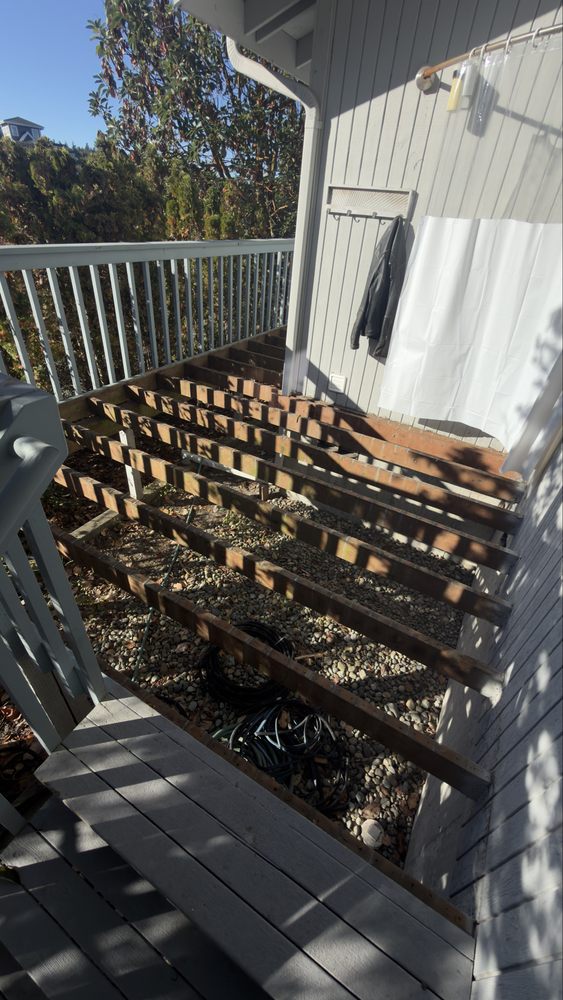
A new wood deck can coordinate its frame, surface, stairs, and railings from the beginning. Replacing boards on an existing deck requires an assessment of the supports and connections that will remain. The selected dimensions, layout, fastening, and finish need to suit that scope.
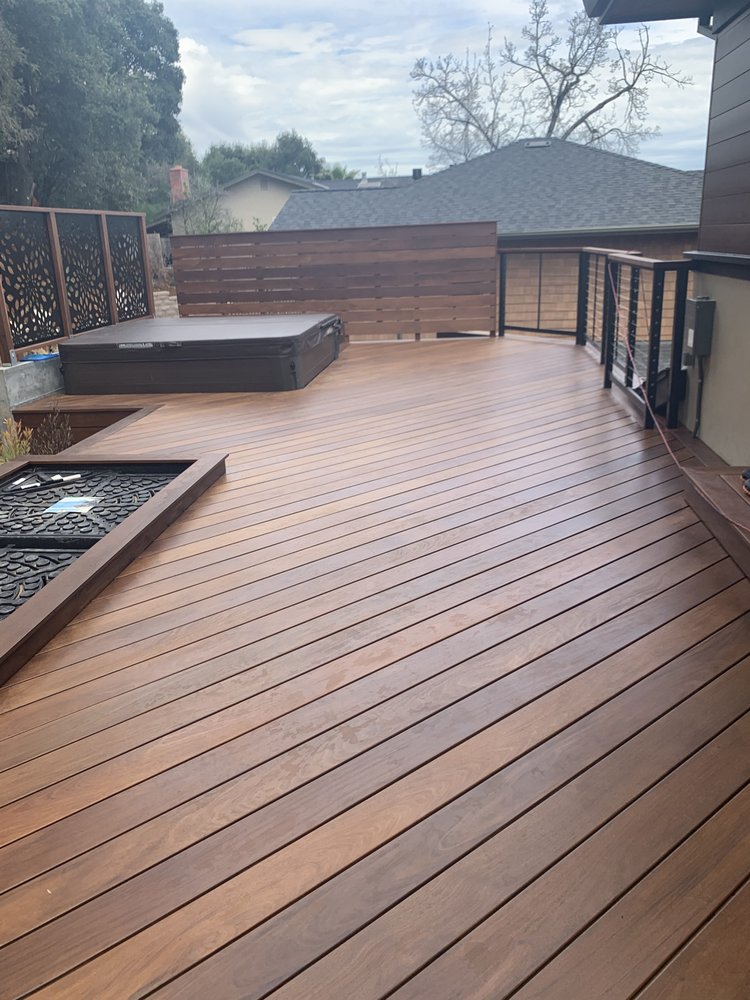
Pressure-treated boards, cedar, and Ipe hardwood have different characteristics and finishing considerations. Natural variation is part of each wood surface. Samples and a clear material specification help establish the intended appearance without assuming every board will match a single example.
The maintenance plan should reflect whether you want to preserve a chosen color or allow the wood to change with exposure. Cleaning, finish renewal, and selected repairs remain part of long-term ownership. Tell Huntsville Deck Builders about the deck size, current structure if any, preferred wood, and intended use. Use the free quote form to begin your wood-decking inquiry with the project location.
Choose Natural Wood for the Way You Use the Deck
Wood Decking Services
Wood decking can be specified for new construction or an assessed existing deck. The material and finish should fit the scope and maintenance expectations.
Get a free quote for your deck project →
Pressure-Treated Wood Decking
Pressure-treated wood decking offers a natural wood surface for a new deck or a suitable existing frame. The treatment specification, board grade, dimensions, and intended use need to be identified before material is ordered. Framing and visible surface components may have different requirements. The selected finish also needs a readiness and preparation plan rather than an assumption that new boards can be coated immediately. A complete proposal should include fastening, edges, stairs, and railings so the estimate describes the intended finished deck, not just a quantity of treated boards.
Cedar Deck Surfaces
Cedar decking provides natural grain and variation for homeowners choosing a distinct wood appearance. Board grade and selection influence the finish, while appropriate fastening and support remain essential below the visible surface. The proposal should identify which components are cedar and how the remaining frame is specified. Cleaning and coating choices need to suit the species and desired long-term appearance. This material discussion is useful for both new builds and resurfacing, provided an existing structure is assessed before it is retained beneath the new cedar boards.
Ipe & Hardwood Decking Options
Hardwood deck planning identifies the specific supplied material, board dimensions, source, and installation approach. Ipe’s density influences handling, cutting, drilling, and fastening, so the work should not be treated as a casual substitution for a softer deck board. Borders, stairs, and detailed edges add their own support and labor considerations. The intended finish and weathering preference should be established alongside material selection. A complete hardwood proposal connects those choices to the frame and layout, making the total scope clearer than a board-price comparison alone.
Wood Board, Layout & Finish Choices
The selected materials need to work together, from the supporting details to the visible finish.
Species, Grade & Dimensions
Specify the actual wood and board selection. Species, grade, thickness, and width influence appearance and installation. Natural variation should be understood as part of the material choice.
Board Layout & Edge Details
Straight runs, borders, stair surfaces, and exposed edges change quantities and support needs. The layout should be developed with the frame and finish details before installation pricing is finalized.
Stain, Sealer & Wood Readiness
The selected coating needs suitable preparation and surface conditions. New wood readiness depends on the product and actual material condition. The estimate should state whether finishing is included or arranged separately.
Choosing Wood for Your Deck
Resolve these project conditions before finalizing the scope and material quantities.
Appearance & Natural Variation
Wood grain, knots, and color vary between boards. The grade and finish help establish the intended character, but a natural deck should not be specified as if every piece were identical.
Installation Cost & Detail
Different wood choices can change material handling, fastening, and finishing work. Compare complete installed scopes, including stairs and edges, rather than the raw board allowance alone.
Long-Term Maintenance
A wood deck needs appropriate cleaning and attention to finish and component condition. Preserving a selected appearance requires a maintenance plan that suits the species, coating, and exposure.
Wood Decking Process
The work sequence connects the initial assessment with a defined scope and finished project.
Deck Scope & Material Brief
The review establishes a new build or surface replacement, the desired layout, and preferred wood appearance. Existing support is assessed where components may be retained.
Wood Specification & Estimate
Species, grade, dimensions, fastening, edges, stairs, and finish are identified in the proposal. Structural work and any retained components are listed separately.
Support & Board Installation
The frame is prepared for the selected boards and layout before surface installation. Fastening, stair details, and perimeter treatment follow the agreed material and construction scope.
Finish Planning & Care Handoff
The handoff explains wood readiness for the chosen finish, cleaning, and future maintenance. Material and coating information should be retained so later care matches the installed system.
Comparing Wood Decking Quotes
A detailed proposal makes the scope, product choices, and completion expectations easier to compare.
Specific Material Selection
The quote should identify the species, grade, dimensions, and included components. Different board selections can produce different appearances and costs even within one wood category.
Complete Installation Scope
New or retained framing, fastening, trim, stairs, and rails belong in the estimate. A surface-only allowance may leave substantial work undefined.
Finishing & Maintenance Terms
Identify preparation, stain or sealer, timing, and any follow-up work. The finish scope should be clear before comparing proposals.
Wood Decking FAQs
Which wood is best for a deck?
The best fit depends on appearance, budget, installation scope, and maintenance preferences. Pressure-treated wood, cedar, and Ipe have different characteristics. Compare specified materials and complete installed proposals.
Can wood boards go on my existing frame?
They may be suitable when the retained frame and connections are sound and compatible with the chosen boards. Assessment should come before a resurfacing scope is finalized.
Does new wood need stain right away?
Not necessarily. The wood must be ready under the selected coating’s requirements. Surface condition and moisture matter more than assuming one fixed schedule for every new deck.
Will all the boards look the same?
No. Natural grain, knots, and color vary. Grade and selection influence consistency, while the chosen finish affects how much variation remains visible.
Can wood stairs and railings be included?
Yes. Their materials, support, fastening, and finishing should be specified with the main deck. The structural and visible components may use different wood specifications.
Is wood decking cheaper than composite?
The answer depends on the specific materials and complete scope. Compare installed cost, finish work, stairs, railings, and expected maintenance rather than assume one material is always the less expensive project.
Request Your Wood Decking Quote
Tell Huntsville Deck Builders about your property, the work you need, and your preferred materials. Include approximate dimensions and the best way to reach you in the form above.