
Deck Resurfacing in Huntsville, AL:
New Boards on a Suitable Frame
Get a FREE Quote
Huntsville Deck Builders helps homeowners plan deck resurfacing in Huntsville, Alabama, when worn boards need replacing and the existing structure may be suitable to retain. Resurfacing means installing a new walking surface on an assessed frame. It is different from sanding or recoating the boards already in place, and it is different from a complete structural rebuild.
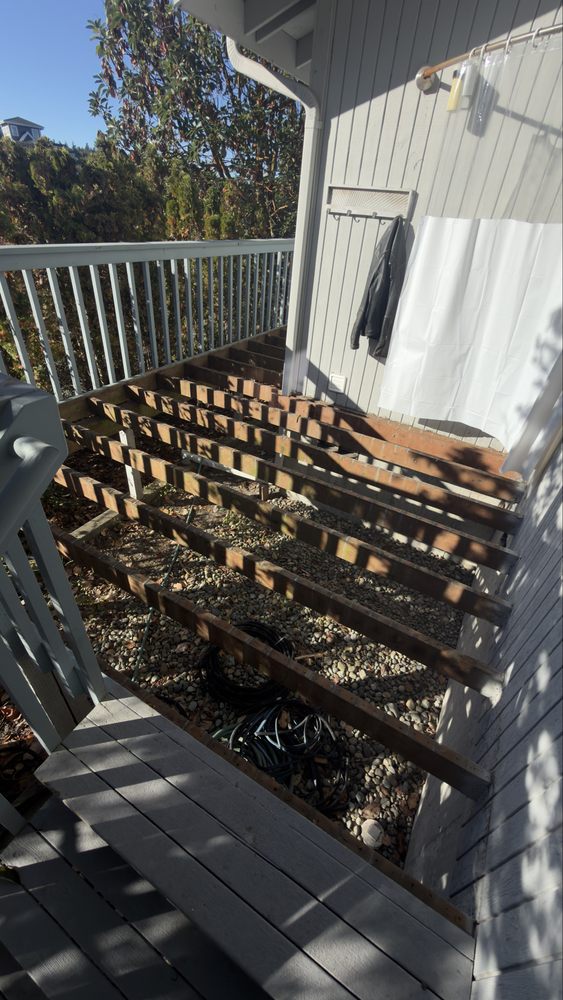
The scope begins with the foundation, posts, beams, joists, connections, stairs, and railings that may remain. Their condition and compatibility with the proposed decking determine whether surface-only work is appropriate. Removing old boards can also expose issues that were not visible during the initial review.
New wood, composite, or PVC surfaces bring different profiles, support, fastening, and care requirements. A material conversion may require framing modifications even when the current layout stays the same. Borders, fascia, and stair details should be specified with the new boards.
A complete estimate identifies retained components, new work, and the approach to concealed damage. That makes resurfacing easier to compare with repair or replacement. Tell Huntsville Deck Builders about the existing deck, approximate dimensions, condition, and preferred material. Use the free quote form to begin your resurfacing inquiry with the property location and any planned stair or railing changes.
Renew the Walking Surface After Checking What Stays
Deck Resurfacing Services
Resurfacing renews the surface while retaining only suitable parts of the structure. The material selection and condition assessment determine the final scope.
Get a free quote for your deck project →
Wood Deck Board Replacement
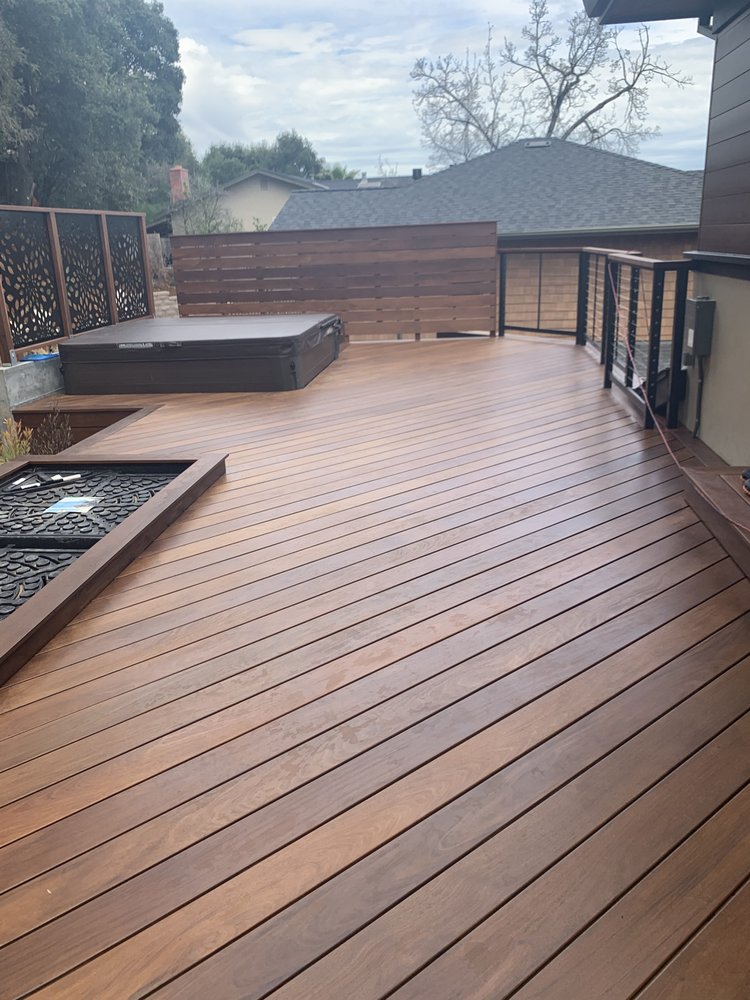
Wood board resurfacing replaces a worn walking surface while retaining a frame that has been assessed as suitable. The selected species, dimensions, fastening, and finish influence the appearance and care of the renewed deck. The work should identify any damaged supports or connections that need attention before new boards are installed. Existing stairs and railings may remain only when appropriate for the finished scope. A clear proposal distinguishes complete surface replacement from a few local board repairs and states how newly exposed deterioration will be handled.
Wood-to-Composite Resurfacing
Composite resurfacing changes the deck’s walking surface and maintenance requirements while preserving only compatible existing support. Joist condition, configuration, board direction, borders, and stair details need review against the chosen product. Additional framing or connection work may be required even when the footprint is unchanged. The quote should identify those modifications and the exact composite system. This keeps a surface conversion from being priced as simple board removal and replacement when the selected material requires a different supporting or finishing arrangement beneath and around it.
Surface, Fascia & Stair Coordination
Coordinating fascia and stair surfaces with resurfacing creates a more complete finish than replacing the main floor alone. Exposed perimeter framing, tread edges, risers, and railing interfaces can need separate materials and support details. The assessment should establish which existing parts can stay and which should change with the surface. Product compatibility matters where manufactured boards meet older structural wood. Including these items in the same plan makes the finished appearance and estimate clearer without assuming that every stair or railing must automatically be replaced.
Choosing the Replacement Deck Surface
The selected materials need to work together, from the supporting details to the visible finish.
New Wood Boards
Wood species, grade, dimensions, and finish should suit the retained structure and intended appearance. The project may include staining as a separate stage once the selected wood and coating are ready.
Composite or PVC Systems
Manufactured boards require product-specific support, fastening, spacing, and care. Identify the exact system before confirming that an older wood-deck frame is compatible.
Perimeter & Stair Finishes
Fascia, borders, treads, and rail interfaces affect both material quantities and labor. Their support and fastening should be specified with the field boards.
Resurfacing, Refinishing or Replacement?
Resolve these project conditions before finalizing the scope and material quantities.
Resurfacing Replaces Boards
A resurfacing project removes the existing walking surface and installs new boards on suitable retained support. It can change the material or appearance without automatically rebuilding the entire structure.
Refinishing Retains the Surface
Refinishing prepares and renews the coating on existing wood boards. It is a different answer when the boards remain suitable and the primary problem is the finish.
Replacement Rebuilds More of the Deck
Extensive structural deterioration or a major layout change can require broader replacement. New boards should not conceal unsuitable framing simply to preserve a surface-only project.
Deck Resurfacing Process
The work sequence connects the initial assessment with a defined scope and finished project.
Retained Structure Assessment
The review begins with the frame, supports, connections, stairs, and planned surface. It establishes whether resurfacing is suitable and identifies any unresolved access or concealed-condition questions.
Surface Selection & Written Scope
The chosen boards, profiles, border details, fastening, and trim are specified. Retained components, required modifications, and the treatment of hidden damage are identified in writing.
Board Removal & Frame Preparation
Old boards are removed and exposed conditions are reviewed before the surface is replaced. Required repairs and support changes are completed before new materials cover the structure.
New Surface & Completion Review
The selected decking and finish details are installed on the prepared support. Completion includes the agreed stairs, fascia, cleanup, care information, and any required approval steps.
What a Resurfacing Estimate Must Distinguish
A detailed proposal makes the scope, product choices, and completion expectations easier to compare.
Retained Components
The proposal should identify exactly what stays, including framing, stairs, and railings. Retention should follow assessment rather than a blanket assumption.
Required Support Changes
Material conversions and border layouts can require modifications beneath the boards. Those changes need a defined place in the estimate.
Concealed Damage Procedure
Removal can reveal conditions that change the scope. The agreement should explain how findings are documented and additional work is agreed before it is covered.
Deck Resurfacing FAQs
Is resurfacing the same as refinishing?
No. Resurfacing replaces the walking-surface boards. Refinishing prepares and renews the finish on boards that remain in place.
Can the old framing always be reused?
No. The frame and connections must be sound and compatible with the selected decking and layout. Their condition needs assessment before reuse is specified.
Can resurfacing change wood to composite?
Yes, when the retained structure is suitable or modified appropriately for the chosen system. The estimate should identify required support and finishing changes rather than assume a direct board swap.
Do stairs and railings have to be replaced?
Not automatically. Their condition, connections, and compatibility with the new surface determine what can remain. The proposal should identify those decisions explicitly.
Is resurfacing less expensive than replacement?
It can involve less structural work when suitable components are retained, but the actual cost depends on repairs, material choice, access, and finishing scope. Compare project-specific estimates rather than assume a fixed saving.
What happens if removal exposes rotten joists?
The affected structure needs assessment and an agreed repair or replacement scope before new boards conceal it. The proposal should explain how unexpected findings and changes are handled.
Request Your Deck Resurfacing Quote
Tell Huntsville Deck Builders about your property, the work you need, and your preferred materials. Include approximate dimensions and the best way to reach you in the form above.