
TimberTech Deck Builder in Huntsville, AL:
Composite & Advanced PVC Decks
Get a FREE Quote
Huntsville Deck Builders helps homeowners plan TimberTech decks in Huntsville, Alabama, with attention to the differences between TimberTech Composite and Advanced PVC products. The brand offers more than one material category. Selecting the actual collection, profile, and finish is essential before comparing installation requirements, care, and the complete project estimate.
A TimberTech project can be a new deck with a coordinated frame or a surface upgrade on an existing structure that is suitable to retain. The board system, direction, borders, stairs, and railings all affect the support and detailing needed beneath the visible surface.
Color samples help compare grain and tone against the home, but the material decision also includes fascia, fastening, expansion details, and cleaning requirements. Composite and Advanced PVC should be specified according to their own product instructions rather than treated as interchangeable boards.
The written proposal should identify the selected system and distinguish retained framing from new structural work. It should also explain manufacturer coverage separately from any installation workmanship terms. Tell Huntsville Deck Builders whether your project is a new build or an existing deck, which TimberTech appearance interests you, and what changes you want. Use the free quote form to start your inquiry.
Choose the TimberTech System That Fits the Project
TimberTech Deck Building Services
The installation scope begins with the selected TimberTech material category and the way the deck will be built or updated.
Get a free quote for your deck project →
TimberTech Composite Decks
TimberTech Composite deck planning identifies the specific collection and profile before framing and finishing details are finalized. The intended footprint, board direction, stairs, and railing arrangement all affect the complete system. Matching fascia and perimeter details should be included with the main surface rather than left as unspecified accessories. Product-specific fastening and support requirements guide the installation approach. A useful estimate names the actual components and distinguishes the new deck structure from the surface material, making it easier to compare the finished scope with other options.
TimberTech Advanced PVC Decks
TimberTech Advanced PVC is a different material category from the brand’s wood-plastic composite products. The selected PVC system brings its own installation and care requirements, including support, fastening, spacing, and trim details. The design should address those requirements alongside the layout and visible finish. Comparing samples and current product documentation helps establish the intended appearance and relevant product characteristics. The proposal should identify the exact collection and application so a broad TimberTech label does not conceal a change between material categories or installation systems.
TimberTech Surface Conversions
A TimberTech surface conversion replaces existing boards while retaining only framing and connections suitable for the selected product. The old deck’s condition, joist configuration, stair support, and perimeter details need review before material quantities are finalized. The choice between Composite and Advanced PVC should be carried through that assessment. A proposal should list any framing modifications and the components proposed for reuse. This makes a resurfacing scope distinct from a full rebuild and helps prevent the new boards from concealing deterioration or incompatible support beneath them.
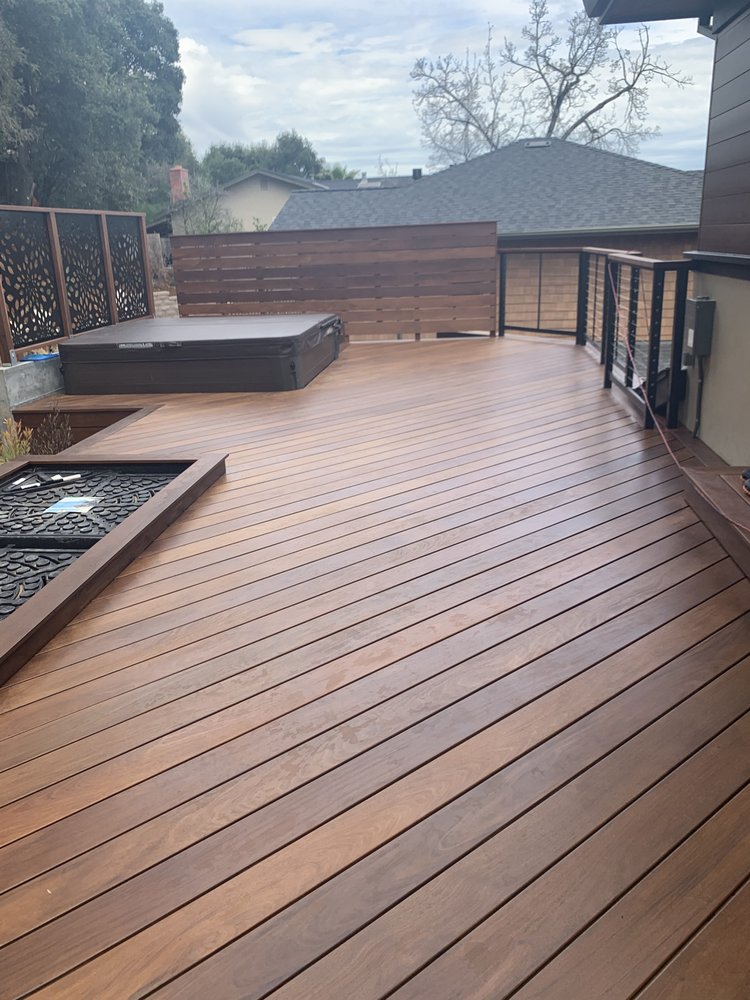
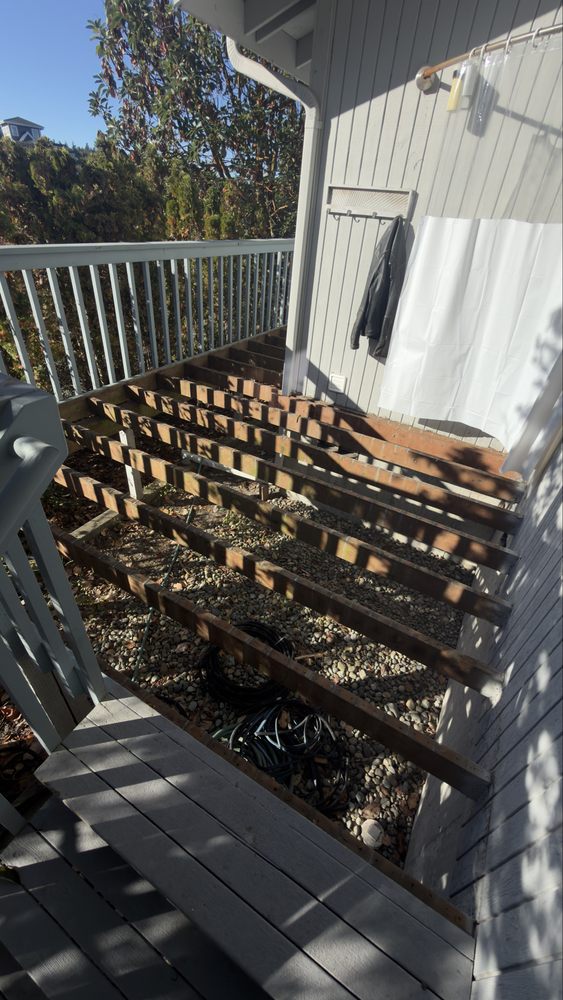
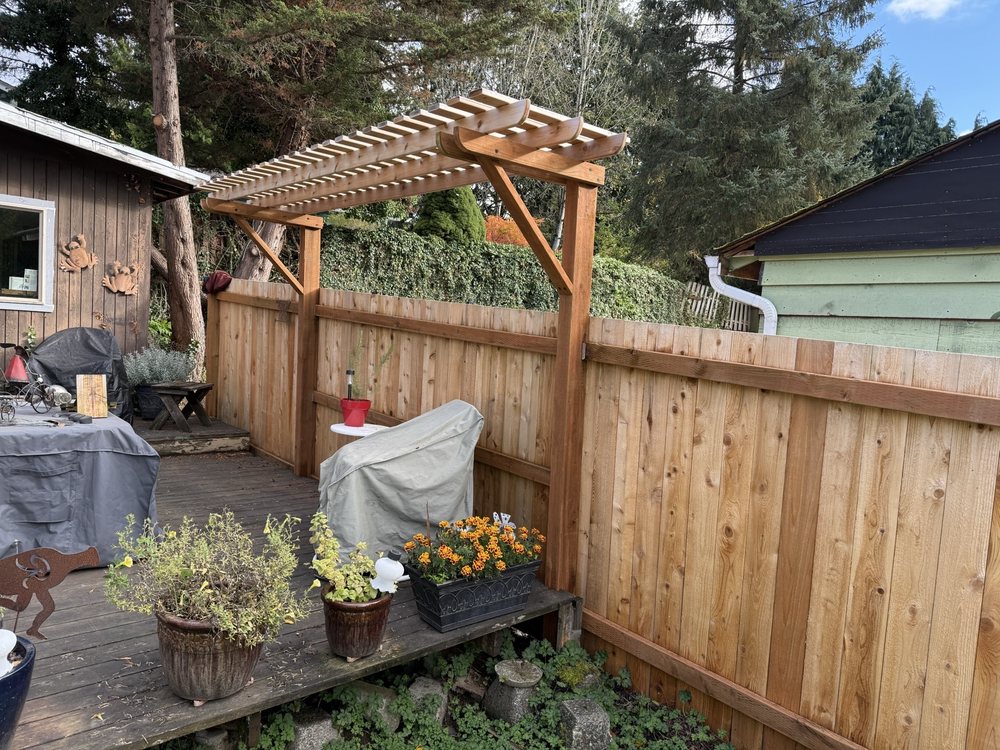
TimberTech Materials & System Details
The selected materials need to work together, from the supporting details to the visible finish.
Composite or Advanced PVC
Identify the material category before comparing product claims and installation details. Both are manufactured decking options, but their construction and instructions differ. The quotation should name the exact collection.
Fastening, Fascia & Spacing
The selected system determines the appropriate fasteners, edge details, gaps, and fascia installation. The full material schedule should include stairs and borders where their requirements differ from the main field boards.
Color Samples & Care Guidance
Review samples in the deck’s actual setting and keep the current care instructions for the chosen product. Cleaning recommendations can differ between Composite and Advanced PVC.
Choosing Between TimberTech Systems
Resolve these project conditions before finalizing the scope and material quantities.
Start with the Application
New construction and resurfacing have different starting conditions. The proposed board system must suit the support design, clearance, layout, and intended use.
Compare Complete Installed Options
A product upgrade may change more than board cost. Profiles, trim, fastening, and installation details can affect the complete estimate. Compare defined assemblies rather than brand-level allowances.
Review Current Product Terms
Manufacturer performance claims and coverage apply to specific products and conditions. Keep current documentation with the written installation scope and separate workmanship terms.
TimberTech Deck Builder Process
The work sequence connects the initial assessment with a defined scope and finished project.
Project & Frame Assessment
The initial review establishes whether the project is a new build or a conversion. Existing framing, access, layout, and the intended board system guide the scope.
Product Selection & Complete Estimate
The selected collection, profile, colors, fascia, stairs, and railings become a defined material schedule. Retained framing and required modifications are listed separately from the new surface.
Compatible Framing & Installation
The support system is prepared for the chosen boards and layout. Decking, fastening, border support, fascia, and stair details follow the product’s applicable installation instructions.
Finish Review & Product Care
Completion includes the agreed edge details, stairs, railings, cleanup, and product-care information. Manufacturer documentation and any workmanship terms should be retained with the project records.
What a TimberTech Quote Should Specify
A detailed proposal makes the scope, product choices, and completion expectations easier to compare.
Material Category & Collection
The proposal should state Composite or Advanced PVC, then name the collection, profile, and color. That makes the intended product clear before ordering.
Support & Finishing Scope
Identify new or retained framing, any modifications, borders, fascia, stairs, and railings. These details define the finished installation and can materially affect cost.
Care & Coverage Documents
Provide the selected product’s installation and maintenance references with the project records. Written manufacturer and installer terms should be reviewed as separate commitments.
TimberTech Deck Builder FAQs
Is TimberTech always composite decking?
No. TimberTech offers Composite and Advanced PVC decking categories. The exact product should be identified before comparing installation requirements and care.
Can TimberTech replace my existing deck boards?
A conversion may be possible when the retained frame and connections are suitable for the selected system. The product choice and existing structure need to be assessed together.
Do Composite and Advanced PVC use the same installation details?
Do not assume they do. Follow the applicable instructions for the chosen product, including support, fastening, spacing, fascia, and stair details.
Can I mix railing and decking colors?
A contrasting railing can be part of the design. The proposal should name the chosen railing system, its structural connections, and finish rather than treating the color choice as the complete specification.
How do I maintain TimberTech decking?
Use the current care and cleaning guidance for the selected material and collection. Composite and Advanced PVC can have different recommendations, so retain the product identification after installation.
What affects a TimberTech deck price?
The product category and collection, dimensions, height, frame work, access, trim, stairs, railings, and detailed borders affect the complete installed price. A clear material schedule makes comparisons more meaningful.
Request Your TimberTech Deck Builder Quote
Tell Huntsville Deck Builders about your property, the work you need, and your preferred materials. Include approximate dimensions and the best way to reach you in the form above.